Commercial Waste in Plumstead

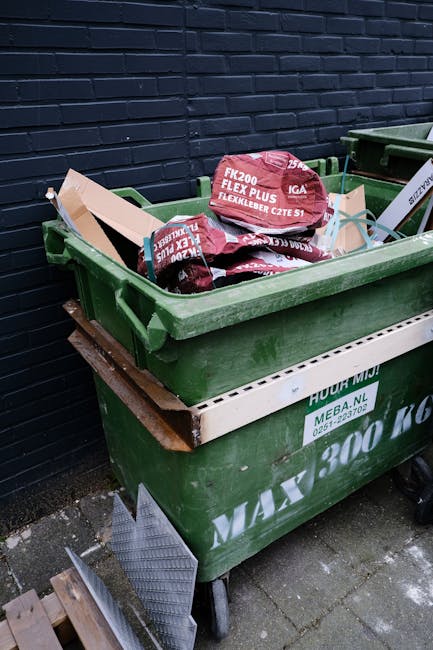
Commercial waste in Plumstead needs a service that is practical, orderly and suited to the way local businesses work. We collect and remove business rubbish, bulky items and mixed non-hazardous waste so premises can be kept clear without disrupting the day. The emphasis is on straightforward commercial waste removal, sensible sorting and disposal that fits the type of material being produced, whether it comes from an office, shop, workshop, hospitality venue or managed property.
Our approach is built around the kind of waste a workplace actually produces. That can include packaging, office furniture, fixtures, broken equipment, shelving, general rubbish and other items that should not be left to accumulate. Clear separation of reusable, recyclable and residual material helps keep collections more efficient, and it also makes the process easier to understand when a business needs a regular or one-off uplift. The right service is the one that matches the volume, access and timing of the job.
For a quotation, start by sending a brief description of the items, the access available and the amount of waste involved. If you already know the type of premises and whether the clearance is a one-off or recurring requirement, that helps us suggest the most suitable arrangement. You can also request a quotation once you are ready to compare the practical options.
Business waste removal for day-to-day premises
Business waste removal is often most useful when it is uncomplicated. Many premises need a reliable way to clear bags, boxes, mixed rubbish and discarded materials without creating a backlog. We handle collections for commercial settings where waste needs removing in a tidy, organised way, and where the priority is keeping the site workable. This can suit ongoing rubbish from operations as well as occasional clear-outs after reorganising stock, equipment or furniture.
Different workplaces create different waste profiles, so a sensible service looks at what is being removed before anything is arranged. A food outlet may have more packaging and perishables; a sales office may mainly need unwanted files, desks or chairs removed; a trade environment may produce heavier or dustier material. The point is not to force every job into the same pattern, but to match the collection to the waste stream and the access conditions. If you are comparing options, it is worth considering whether you need a one-off clearance or a recurring pickup. Business waste removal can be arranged around that decision.
Supported commercial work is usually easier when the site is ready in a basic sense. Having the waste grouped by area, noting any awkward access and identifying anything that should stay on site all help to keep the collection focused. Where the waste includes mixed items, a simple description is enough to begin with; there is no need to overstate or guess at a category if you are unsure. Use this stage to decide what must go, what may be reusable and what needs specialist handling.
Office waste and workplace clear-outs

Office waste removal is not just about taking away old chairs and desks. A typical workplace clearance may include filing cabinets, partitions, IT peripherals, boxed archive material, reception furniture and general rubbish that has built up over time. We can help remove these items in a way that keeps the office usable during the process, especially where the aim is to free up storage rooms, meeting areas or redundant workspaces.
Many offices also need a degree of selectivity. One room may contain items for disposal, another may still hold records or equipment that must remain untouched. That is why it helps to identify the exact rooms or zones involved rather than treating the whole premises as a single load. If the job includes a mix of furniture and lightweight waste, the collection can usually be planned so that the different materials are dealt with sensibly. A useful next step is to Office clearance when you want the contents removed in one organised service.
When planning an office clear-out, the main decision is usually whether the work is a small declutter, an internal reorganisation or a more substantial strip-out of redundant items. Each needs a slightly different approach. A focused clearance may deal only with a single suite or floor, while a larger one could involve multiple rooms and a staged pickup. Keeping the scope precise makes it easier to set expectations and avoid unnecessary disruption to staff or visitors.
Furniture, fixtures and bulky items

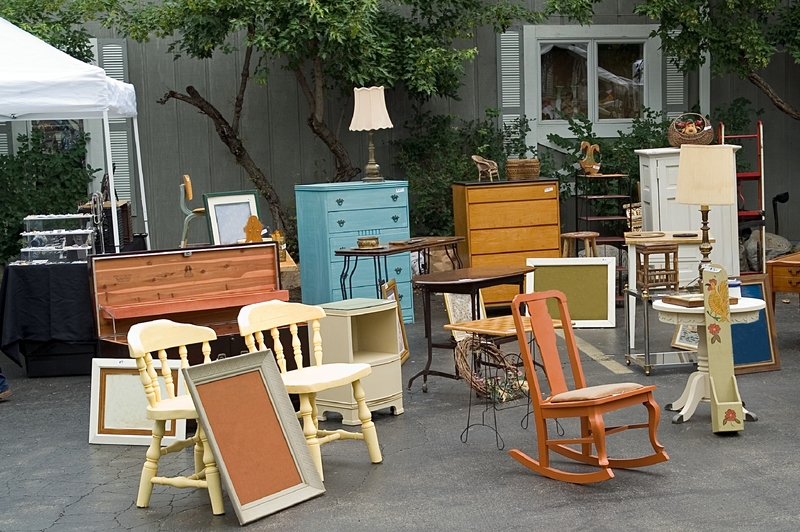
Commercial furniture disposal often becomes necessary when premises are being refitted, downsized or simply refreshed. Desks, cabinets, tables, shelving, soft seating and broken fittings can take up more space than expected, and they need removing carefully so corridors and entrances remain clear. We can deal with bulky pieces that are awkward to move through standard doors or stairwells, provided the access and item type are described clearly in advance.
Some businesses only need selected pieces taken away, while others are replacing nearly everything in a room or suite. In either case, it makes sense to consider the material mix and the load size together. Wooden, metal and upholstered items may be grouped differently from general rubbish or packaging, especially where a site has more than one collection area. If your main concern is the removal of larger furniture items, Furniture clearance is a relevant option for organised disposal.
Where furniture is still in reasonable condition, the question is often whether it can be separated from damaged or unusable items before the removal takes place. That may make the process simpler and may improve how the load is handled at the point of disposal. The same principle applies to fixtures and fittings: identify what should be taken, what should remain, and whether any dismantling is needed beforehand. A measured approach keeps the job practical rather than rushed.
Clearance for storage areas, garages and overlooked spaces
Storage areas are often where commercial waste builds up slowly. Garages, cupboards, back rooms and unused service spaces can become places for redundant stock, broken fixtures, packaging and old equipment. Our garage clearance service is useful where a business or managed property needs a contained area emptied without turning the process into a major project. It is often about restoring access as much as removing waste.
A good clearance starts with deciding what kind of items are actually present. Some spaces hold mostly lightweight rubbish; others contain heavier materials, tools, hardware or mixed household-style items from a business-operated site. The collection plan should reflect that difference. If you need a broader emptying of a tucked-away area or ancillary room, it may also be worth looking at Garage clearance as part of the same wider tidy-up. That helps keep the work focused on the location that matters most.
Overlooked spaces can hide awkward items that are difficult to remove in stages, so access deserves a mention even when the job seems simple. Narrow entrances, steps, shared corridors or limited parking can affect how the waste is moved and how much preparation is sensible. A quick note about the area, the item mix and any restrictions gives a clearer picture than a general statement that everything is ready to go. This makes the resulting quotation more realistic and easier to compare.
Kitchen, appliance and special item disposal

Some commercial clearances include items that need a little more care than standard rubbish. Fridges, freezers, microwaves, cookers and other appliances may form part of a business or premises clearance, especially where a kitchen, staff room or catering area has been updated. These items can be heavy, awkward and difficult to move without planning, so it helps to identify them separately from the rest of the waste.
We also deal with mixed bulky disposal where a business is replacing items rather than simply emptying a room. Sofas, mattresses and other large pieces can arise in serviced accommodation, waiting areas or break spaces, and they should be described accurately if they are included in the load. Where appliance and furniture disposal overlap, it is sensible to keep the categories clear enough to avoid confusion and to make the collection straightforward. For example, Fridge and appliance removal suits loads where electrical items are part of the main requirement.
If the waste includes a special item, the key point is to mention it early rather than leaving it to the end of the description. That allows the collection to be planned around the weight, shape and handling involved. Items should not be left where they are hard to reach or likely to block access for staff and customers. A concise description of the item type, quantity and location is usually enough to begin with, and it keeps the arrangement practical from the outset.
Sorting, recycling and sensible disposal choices
Not every commercial collection is simply about removing everything in one load. Some businesses prefer a service that keeps materials more orderly, particularly where cardboard, metal, wood, furniture and mixed rubbish are all present together. That is why our collections are planned with sorting in mind. A clear waste profile can make it easier to separate reusable or recyclable material from general disposal items, without asking the customer to manage the technical side.
It can help to think about the waste in layers. Packaging may be separated from worn furniture; electrical items may need a different handling approach from ordinary rubbish; and anything that is likely to be awkward, heavy or fragile should be identified before the collection begins. If sustainability is an important concern for your organisation, you may wish to review Recycling and sustainability alongside the core removal service. That gives a clearer sense of how different material types are approached.
Useful information to include when requesting a quotation is simple and practical: the type of premises, the main categories of waste, how much needs removing and whether access is straightforward or limited. A photo can help if the items are awkward, but a written summary is still the foundation. If you are unsure how to classify a particular object, describe it plainly instead of guessing. The aim is to match the collection to the waste, not to make the enquiry more complicated than necessary.
Pricing factors and quotation details
Commercial waste pricing usually depends on the amount of material, the type of items, the ease of access and whether the load includes heavier or more specialist objects. A compact office clear-out is different from a mixed business clearance involving furniture, appliances and bagged waste. It is also different when items are in a basement, upper floor or shared area. Those are the details that shape the quotation more than general assumptions about the size of the building.
A good enquiry gives enough detail to show the practical shape of the job without trying to solve every part in advance. If you know the approximate number of items, the floor level, the access route and whether there is parking nearby, that usually provides a sound basis for discussion. You do not need a long list if the job is straightforward, but you should mention anything that could affect handling or time on site. For a broader view of how the numbers are worked out, see Pricing and quotes.
Two brief steps usually help the process along: first, outline the waste clearly; second, say when the clearance needs to happen. That is enough for most commercial enquiries to begin sensibly. If the work is time-sensitive because a room is being handed back, refurbished or re-let, make that clear in plain language. The quotation can then be based on the actual task rather than a vague estimate.
About Plumstead
Plumstead is a district in southeast London within the Royal Borough of Greenwich, lying east of Woolwich and close to the River Thames. Its history reaches back to a settlement recorded in the Domesday Book, when the name appeared in forms associated with a marshy riverside landscape. Over time the area developed from an agricultural parish into a suburb shaped by transport, industry and housing growth, with the railway playing a significant role in its nineteenth-century expansion. The local street pattern still reflects that layered history, with older routes, later terraces and estate housing sitting alongside commercial corridors. Plumstead Common is one of the best-known open spaces in the district, offering broad grassland, mature trees and a long association with local recreation and community events. Nearby, the common links to wider green and historic landscapes that help define the character of the area. Architectural interest is found in the surviving church buildings, Victorian terraces and scattered civic structures, while the streets around the centre show the mixed fabric typical of inner south-east London. Plumstead also sits within reach of larger landmarks in Greenwich, yet retains a distinct identity of its own through its housing stock, local centres and long-standing community life. The district has been shaped by repeated phases of change, including wartime damage and later redevelopment, but much of its appeal comes from the way those changes sit beside older layers of the place. That combination of transport connections, open common land and varied urban form gives Plumstead a character that is both practical and historically rooted.
Household-scale clearances for commercial premises

Some commercial sites generate waste that resembles domestic clearances more than office rubbish. Managed flats, rental properties, student lets and mixed-use buildings can all produce unwanted furniture, bags of waste, stored items and general clutter that need removing in an orderly way. Our house clearance-style work is useful where the contents of a property or unit must be taken away without leaving the place in an uncertain state. The focus remains on the removal itself and on making the space manageable again.
Where a property contains several rooms, the most helpful approach is to separate what stays from what goes and to note any items that are too large, too fragile or too heavy for the same handling method. That may include cupboards of stored belongings, loose items in bedrooms or living areas, and bulky furniture that cannot simply be moved aside. If you need a broader internal emptying of residential-style premises, House clearance offers a relevant route for organised removal.
Before a quotation is prepared, the main questions are usually about volume, access and any items that require particular care. Mentioning whether the property is partly furnished, fully furnished or already mostly cleared helps set the scope accurately. For a customer, the benefit of this approach is clarity: the service matches the real contents of the premises rather than relying on guesswork. If you are ready to move on, contact us for a quotation.